Neutral platform for debate of policy issues, Discussions and workshops on relevant issues, Support service to Learned and Professional Societies, Foundation Future Leaders Programme for mid-career professionals, Podcast exploring links between science & technology and policy
Welcome
To The Foundation for Science and Technology website
The Foundation for Science and Technology is a UK charity, providing an impartial platform for debate of policy issues that have a science, research, technology or innovation element. Established in 1977, the Foundation brings together Parliamentarians, civil servants, industrialists, researchers, learned societies, charities and others. It convenes discussion events and round tables, publishes a journal three times per year and regular blogs, and hosts a weekly podcast. It also organises the Foundation Future Leaders Programme, supporting the next generation of professionals from universities, industry and the civil service. In addition, the Foundation provides guidance on governance issues to Professional and Learned Societies.
Future Leaders
The Foundation Future Leaders Programme brings together a cohort of mid-career professionals drawn from universities, industry and the civil service to develop links and further their understanding of how science and research are conducted, and how they feed into the policy process.
DiscoverEvents
The Foundation organises events on key topics in science, research, technology or innovation, bringing together Parliamentarians, civil servants, industrialists, researchers, learned societies, charities and others.
Events ListFST Journal
The FST Journal is published three times per year, with articles based on the main evening events held by the Foundation. The Journal is distributed to over 1500 senior influencers in Government, Parliament, industry and the research community, as well as being published online.
View FST JournalLearned & Professional Societies
The Foundation for Science and Technology provides guidance to Learned and Professional Societies in the area of administration and governance, with technical guidance notes and a regular newsletter.
Read MoreLatest Events
November 11, 2026 5:30 PM - 9:00 PM
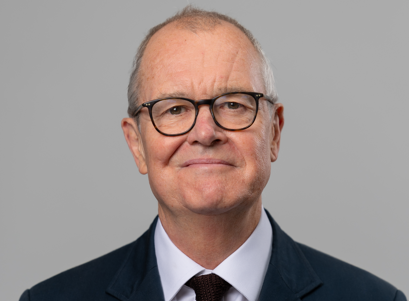
Lord Vallance joins Lord Willetts at Harwell Campus to discuss the future of UK science, innovation, growth and the OxCam Corridor.
View Details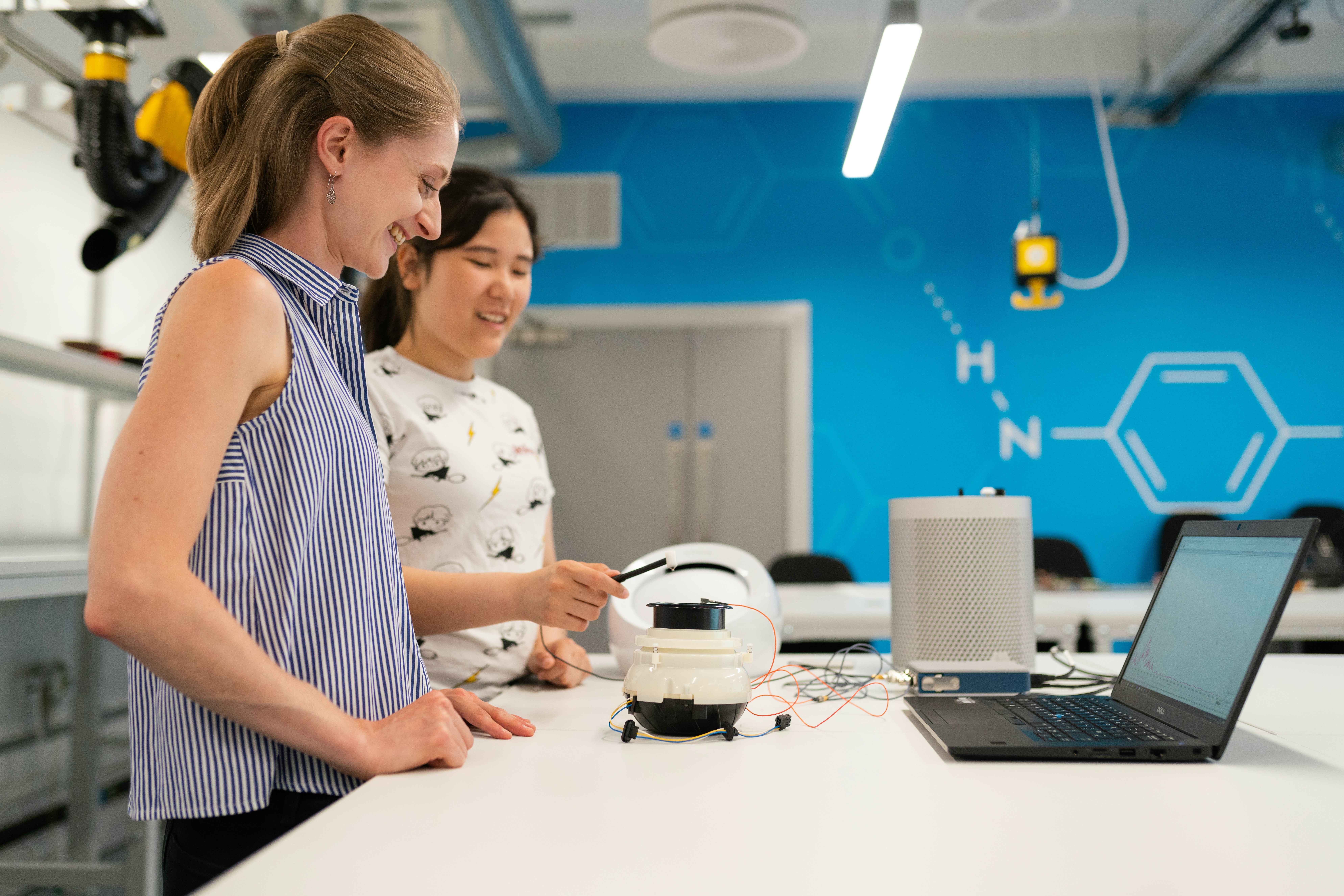
November 17, 2026 12:00 PM - 1:00 PM
In this webinar, members of the FST Future Leaders programme will explore what effective science communication looks like, how we adapt what we say for different audiences, and how we know whether our communication is actually working.
View Details
December 16, 2026 12:30 PM - 1:30 PM
In this webinar, members of the FST Future Leaders programme will explore what it takes to move from innovation to impact. Where does the UK do well, and where do promising ideas get stuck? What roles do research, investment, skills, infrastructure, business and government play? And should we be thinking more broadly about how new technologies are adopted and spread across the economy?
View DetailsMore about our events
You can view a full listing of our events and search the archive on our events page.