FST JOURNAL
Foreword: New CEO
We are not asking new questions – but they have never felt more urgent
Dr Alex Rhys
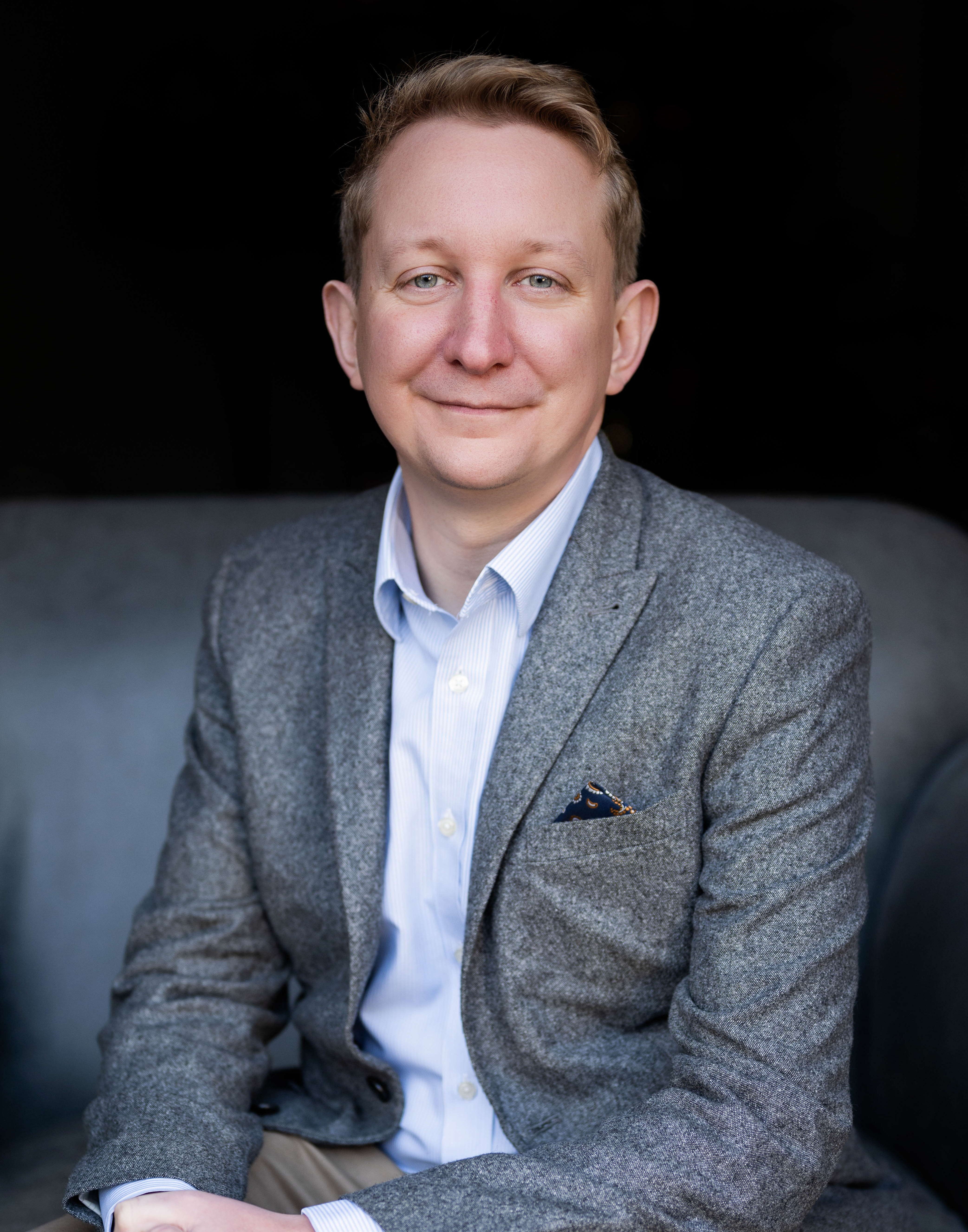
Alex joined the Foundation in 2026 as Chief Executive. He holds a PhD in Molecular Oncology from Queen Mary University of London and began his career in cancer research before transitioning to healthcare regulation and policy. Most recently, Alex served as Chief Executive Officer of the Infection Prevention Society, leading a period of significant transformation including expanding the Society's reach into veterinary infection prevention and building commercial capabilities. He also founded and led It Gets Better UK, growing the charity from a grassroots initiative to reach over 2.5 million LGBTQ+ young people.
Beginning a new role is an invitation to look forward. And yet, as I sat down to write this foreword, I found myself drawn first to the archive, curious about what the Foundation for Science and Technology (FST) was discussing when I was born. Given the topics I found, I will leave you to do the maths.
What I found was striking. The FST was hosting conversations on genetic engineering and its regulation, while the journal was exploring the impact of information technology on the 21st century. Both have followed extraordinary and often unpredictable trajectories since.
The genetics landscape has evolved into something far more complex and contested than anyone anticipated, from the promise of gene therapy to the profound ethical questions raised by editing the human genome. How do we harness transformative technologies for good? What the information technology authors were then extrapolating into the future is now so woven into daily life as to be almost invisible, its most dramatic chapter, artificial intelligence, still very much unfolding.
I write this not just as an observer, but as someone whose career has been shaped by exactly these forces. I came to science through biochemistry and molecular oncology, completing my PhD at a time when the tools available to cancer researchers were changing rapidly. By the time I was working with CRISPR, a gene-editing technology that allows scientists to alter DNA sequences with remarkable precision, I was using something that would have been unimaginable to the scientists debating genetic engineering in FST's meeting rooms years before. Technologies like CRISPR open up extraordinary new paths in medicine and research, and with them come equally important ethical and regulatory questions that science and policy must work through together. That is not a tension to be feared. It is precisely the kind of conversation FST exists to host.
That dynamic has run through much of my subsequent career. Most recently, leading work in infection prevention in a post-Covid world, I was part of efforts to bring together clinicians, researchers, industry and policymakers around a shared ambition: a world where no one is harmed by a preventable infection. Achieving that requires scientific progress, the breaking down of silos, the alignment of health and care infrastructure and public policy, and sustained cross-sector collaboration that does not happen by accident. That experience deepened my appreciation for what organisations like FST make possible.
The questions that matter most sit at the intersection of scientific and technological possibility and societal readiness. How do we harness transformative technologies for good? How do we build governance frameworks to manage their risks? How do we ensure that those making decisions about science and technology in Parliament and across public life have the knowledge they need to do so wisely? These are not new questions. But they have never felt more urgent.
As we approach our 50th anniversary in 2027, I am struck by the unique role FST has played, and continues to play, in convening conversations that help society navigate these moments, bringing together researchers, policymakers, parliamentarians, industry leaders and civil society across disciplines and sectors. The Future Leaders programme is a particular source of excitement, investing in the policy leaders of tomorrow and ensuring those who will shape these landscapes are equipped, connected and ready. The challenges ahead will require not just brilliant science and technology, but brilliant governance. FST is in the business of building both.
It is a privilege to be joining at such a moment, and I look forward to the conversations ahead.